All MD369 aircraft operators and maintenance providers.
This revision is issued to correct a previous statement that the failure of the tail rotor gearbox input shaft as described below could result in the loss of tail rotor drive. CAA have now received advice from the OEM that failure of the retention pin and excessive play in the shaft will not prevent the input shaft from providing drive to the gearbox.
The purpose of this CAN is to notify operators and maintenance providers of two recent reports provided to CAA of MD369 Tail rotor gearbox (TGB) input pinion shaft failures.
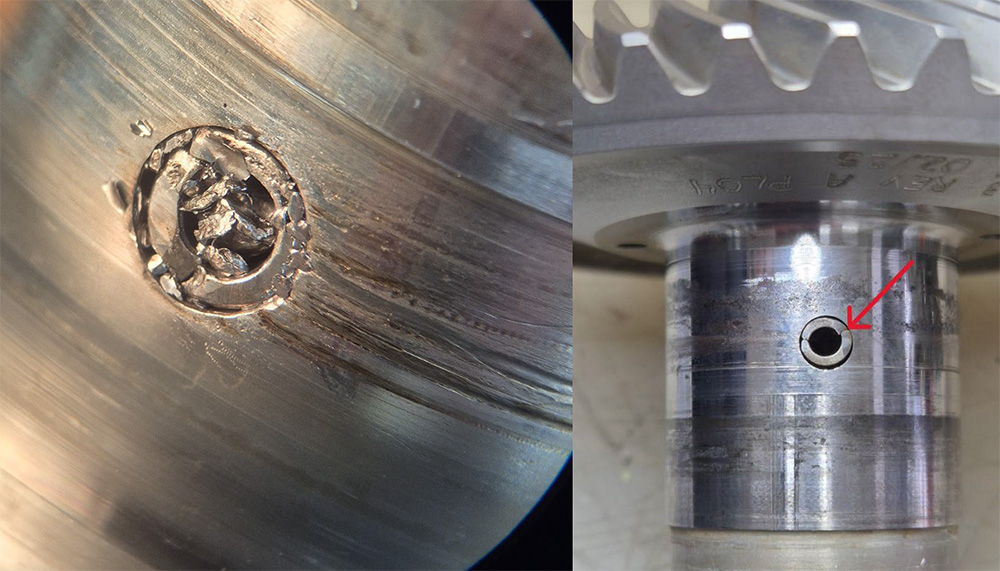
CAA have received two successive reports of excessive axial and radial play in the TGB input pinion shafts of an MD369FF helicopter. In each case, the damaged shaft was identified following a chip light indication in flight. Removal of the gearbox and subsequent teardown revealed the excessive play, but also that the input pinion shafts could be separated by hand into their two component parts (usually press fitted together during manufacture) with the retention pin having failed (see figures below).
The affected aircraft is understood to have been used for pylon survey work, experiencing consistently high torque with associated increased tail rotor control input.
The serial numbers of the two shafts suggests that they may be from a similar batch.
Affected shafts had 1172 and 1144 hours TSN.
Engineers assessing MD369 aircraft following chip light indication should exercise caution when determining the cause of contamination. CAA are advised that in the incidents described above, the chip plug was coated with a fine metallic sludge, with no fines, chips or swarf present.
CAA requests that operators and maintenance providers report any findings of failed or out of tolerance TGB input shafts via the occurrence reporting process: https://occurrencereporting.services.aviation.govt.nz(external link).
Any questions can be directed to: warren.hadfield@caa.govt.nz.
This CAN is considered to be an interim action pending further review.
Figure 1 – Sectioned two-piece shaft with retention pin indicated
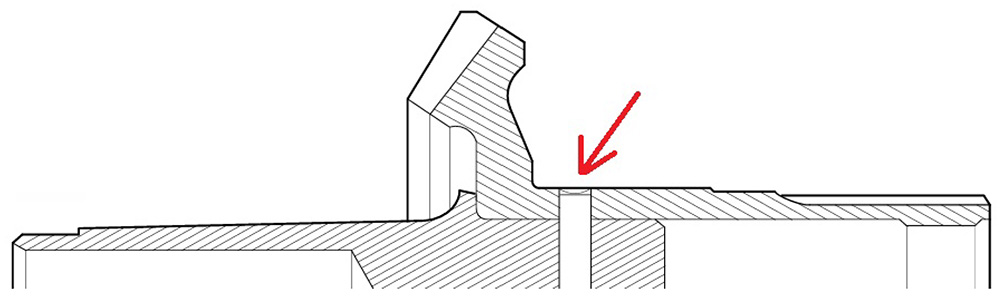
Figure 2 – Failed shafts with damaged retention pins