All AS350 helicopter operators and maintenance providers - Tail Rotor Pitch Control Rod – Damaged Ball Joint.
The purpose of this CAN is to notify helicopter operators and maintenance providers of a number of recent occurrences reported to CAA of finding excessive play in AS350 tail rotor pitch control rod ball joints. Recently reported findings appear limited to pitch control rods manufactured under a FAA PMA by EXTEX.
During pre-flight inspections excessive play was noted in the tail rotor pitch control rod ball joints. The extent of damage varied across the affected parts, but in each case the excess play seemed to be caused by a breakdown of the non-metallic liner material. Initial indications of failure appear to present as chips from the liner material, but in at least one case the liner material had completely failed causing excessive play and metal to metal contact in the bearing.
CAA are advised that the affected parts had been in service for between 160 and 500 hours TSN.
In all cases the ball was retained in the control rod regardless of the degradation and no indication of deterioration was reportedly felt through the aircraft controls.
CAA recommend that operators of AS350 helicopters pay particular attention to the tail rotor pitch control rod bearings for play when carrying out daily pre-flight inspections. Maintenance providers who are carrying out scheduled inspections of AS350 tail rotor pitch control rod bearings should carefully inspect control rod bearings for degradation of the non-metallic lining materials. Worn bearings should be assessed against the appropriate inspection criteria and replaced as necessary.
CAA requests that operators and maintenance providers report any findings of damage or premature removal of affected parts via the occurrence reporting process(external link).
Any questions can be directed to: warren.hadfield@caa.govt.nz.
This CAN is considered to be an interim action pending further investigation.
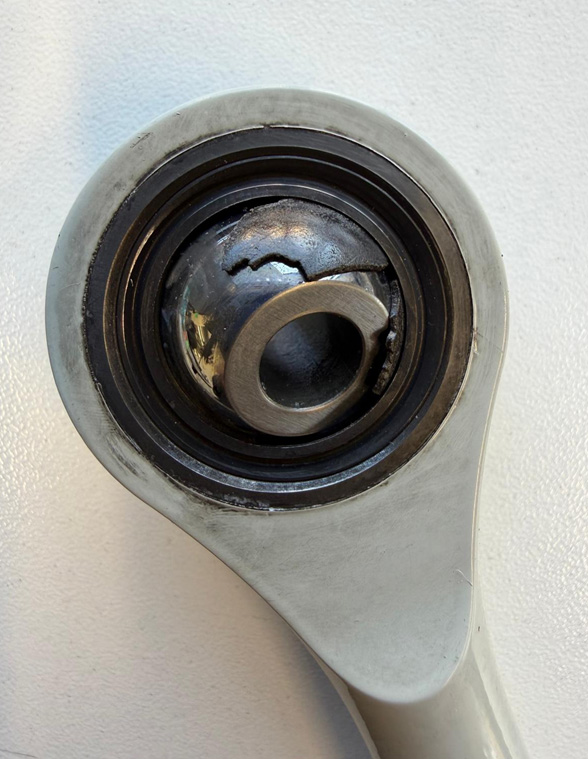
Figure 1 – Extensive bearing liner material damage
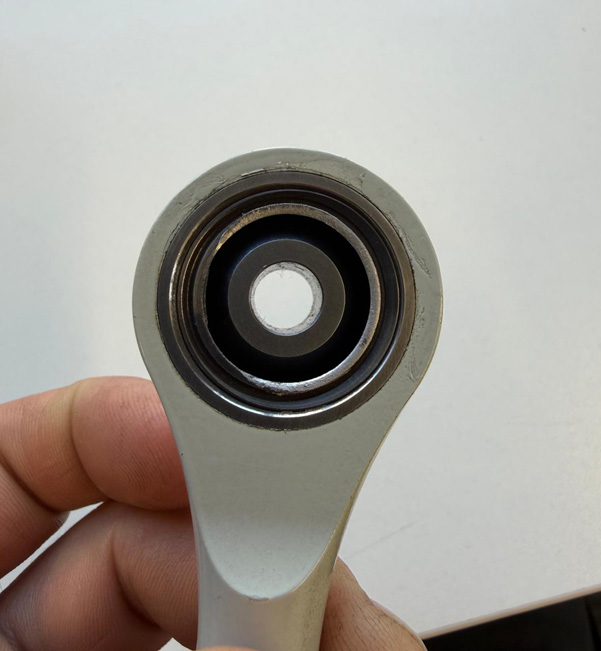
Figure 2 – Complete loss of bearing lining material and resulting damage to surfaces.
