All MD 369 series helicopter operators and maintenance providers.
The purpose of this CAN is to notify helicopter operators and maintenance providers of reports received by the CAA of significant corrosion and cracking in the pilot’s collective stick and associated hardware on MD 369 helicopters.
CAA have been advised that during the 100/300 hour inspections carried out on MD 369 helicopters, engineers have identified a number of instances of corrosion and cracking on collective tubes and housing sockets.
Initial indications of corrosion found during scheduled inspections tend to understate the severity of the damage. Further investigation and disassembly has revealed extensive corrosion requiring replacement of parts.
Detailed visual inspections of the disassembled collective tubes revealed cracks through the rivet holes on the collective tube as shown in Figure 1 below.
In one incident the pilot noted intermittent throttle friction and the investigation revealed the collective stick fitting cracked through. See Figure 3 below.
CAA are advised that the corrosion may be the result of aging aircraft which were previously operated in a door off configuration (likely during wet weather).
At the next appropriate maintenance opportunity, operators are advised to request an inspection of the collective tube and housing socket in accordance with the helicopter maintenance instructions.
Engineers are advised to accomplish a thorough investigation if they find signs of corrosion on the collective tube.
It may be necessary to disassemble the collective control stick to perform a detailed inspection.
CAA requests that operators and maintenance providers report any cracking or damage found, via the occurrence reporting process: https://occurrencereporting.services.aviation.govt.nz(external link)
Any questions can be directed to: warren.hadfield@caa.govt.nz
CAA will liaise with the manufacturer on this matter. This CAN will be updated accordingly.
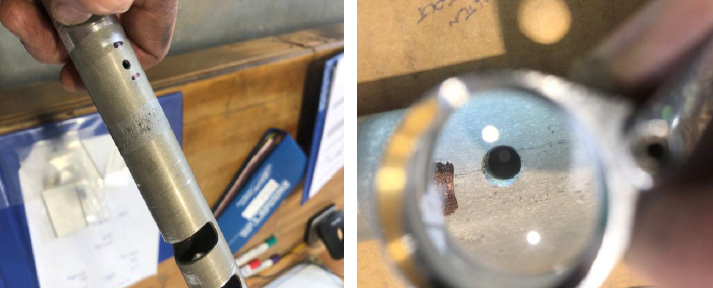
Figure 1 – Collective tube with corrosion and cracking.
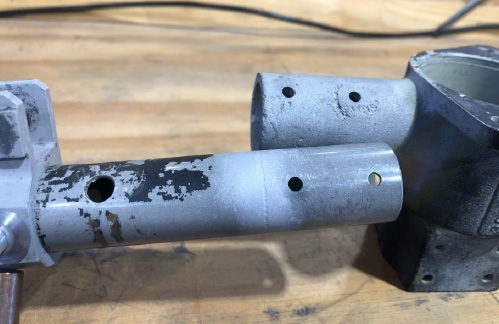
Figure 2 – Collective tube and housing corrosion (paint removed and corrosion partially treated).
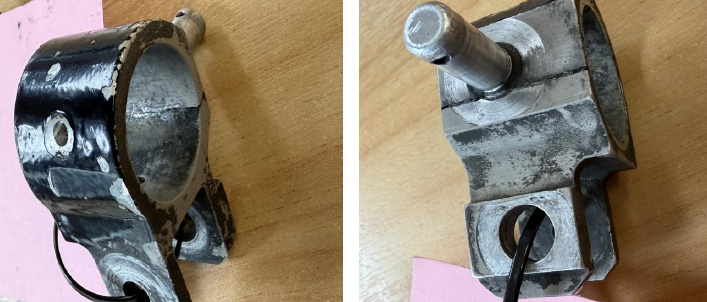
Figure 3 - Collective stick fitting cracking.
