Cessna 150, 172 and 175 aircraft.
CAA have received a report of a Cessna 152 aircraft experiencing a jammed rudder (deflected to one side) during take-off, because of a failed steering tube.
CAA are advised that the control restriction freed itself during a successful emergency landing, and that engineers could not easily replicate the defect. Additional fault-finding including taxi test of the aircraft was required to replicate the control restriction and identify the source.
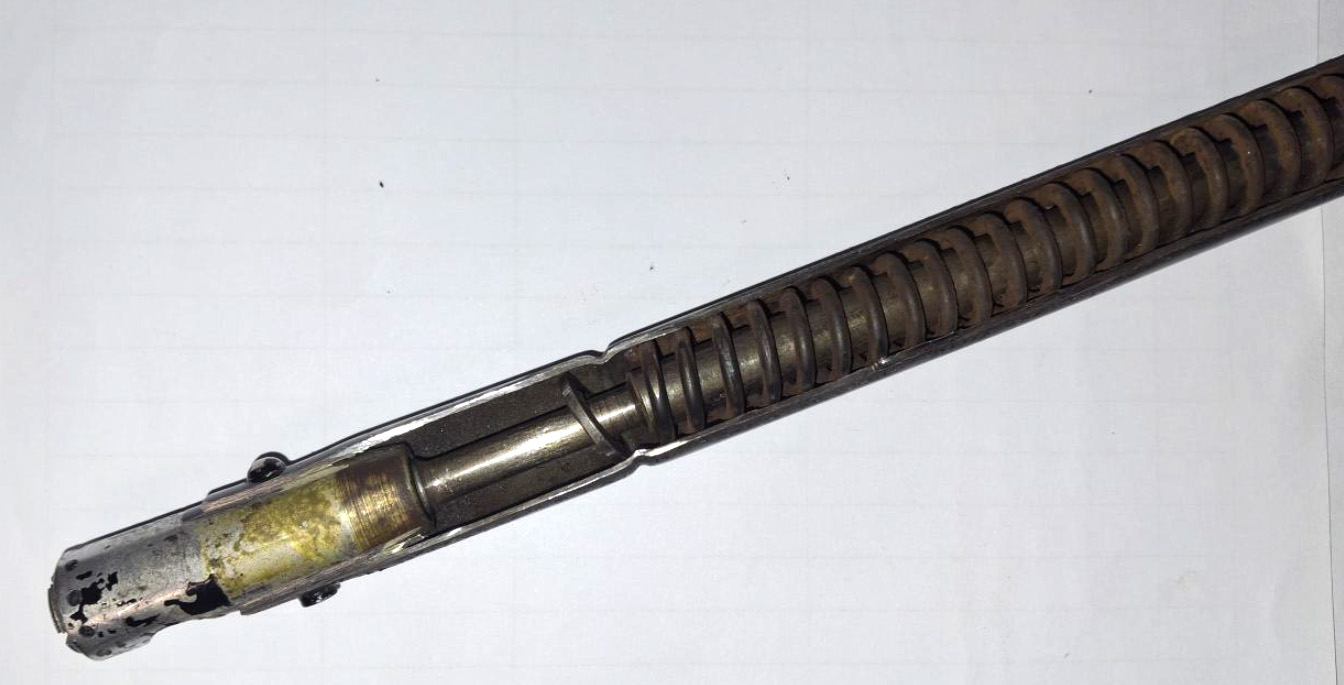
Subsequent inspection and destructive test of the steering tube P/N 0543022-4 revealed that it had suffered an internal failure. See figure 1 and 2 below for sectioned tube.
The tube is understood to have been fitted to the aircraft during production, with total time in service of 13330 Hours.
CAA are advised that the aircraft had recently experienced steering difficulty, which at the time was attributed to potential brake dragging. It is possible that this issue was symptomatic of the steering tube degrading.
CAA are informed that the steering tube is unable to be internally inspected, nor is there any recommended condition inspection which might identify impending failure. It is also understood that the steering tube (common to a range of Cessna aircraft) is neither subject to a life limitation, nor a recommended replacement interval.
Operators are advised to ascertain the current time in service of their steering tubes and consider proactive replacement of any steering tube which has been in service for the life of the aircraft.
Steering tube failure has been noted previously and is well described in Transport Canada Cessna 150, 172, and 175 steering tube (PN 0543022-XX) - Service Difficulty Advisory. CAA requests that operators and maintenance providers report any findings of rudder control restrictions, and any suspected or confirmed steering tube failures via the occurrence reporting process: https://occurrencereporting.services.aviation.govt.nz(external link).
Any questions can be directed to: warren.hadfield@caa.govt.nz
This CAN is considered to be an interim action pending engagement with the manufacturer.
Figure 1 – As intended - washer retained by the tube crimp
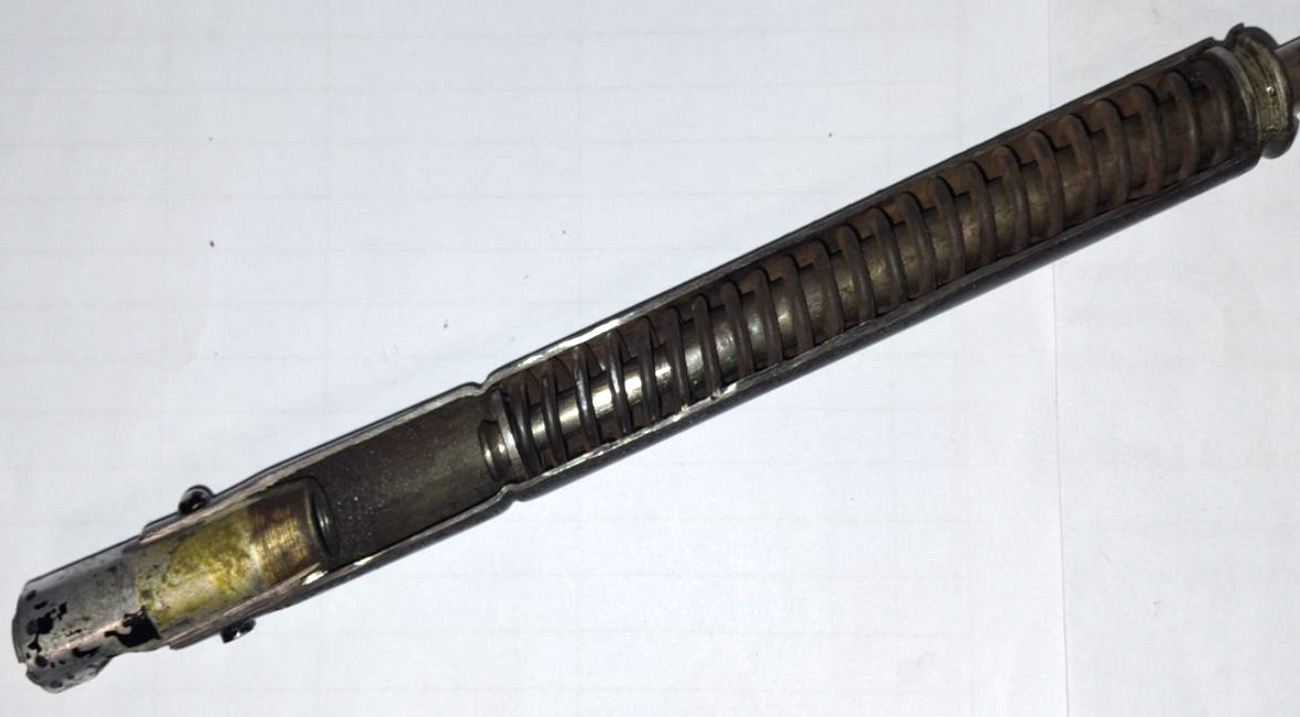
Figure 2 – Failed condition - Washer forced beyond the crimped section of the tube